About the project
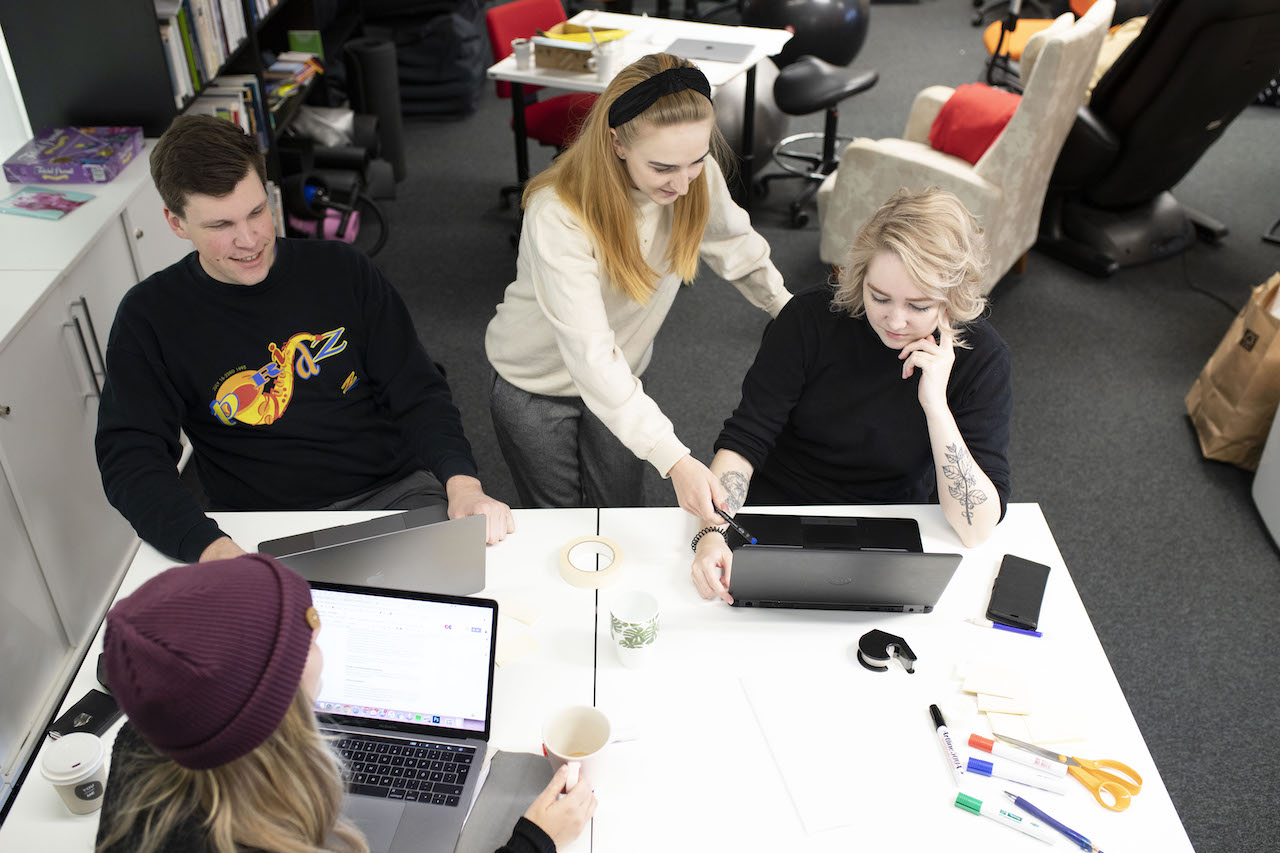
In fall 2019, I joined a collaborative design project in Metropolia's Product Development
Simulation course within the Digital Communications program. Our team — Arttu Laitala, Fanny
Holmström, Sanni Pulkkinen, Alessandra Vihonen, and I — designed a user interface (the layout
and controls users interact with on a screen) for a self-service library as part of the Bergtatt
project. Bergtatt aimed to build a new library in Henningsvær, a fishing village in Norway. Our
task was to create a practical and user-friendly service pathway (a step-by-step process that
guides users through library services) for library operations.
Bergtatt - An Architectural Cultural Project
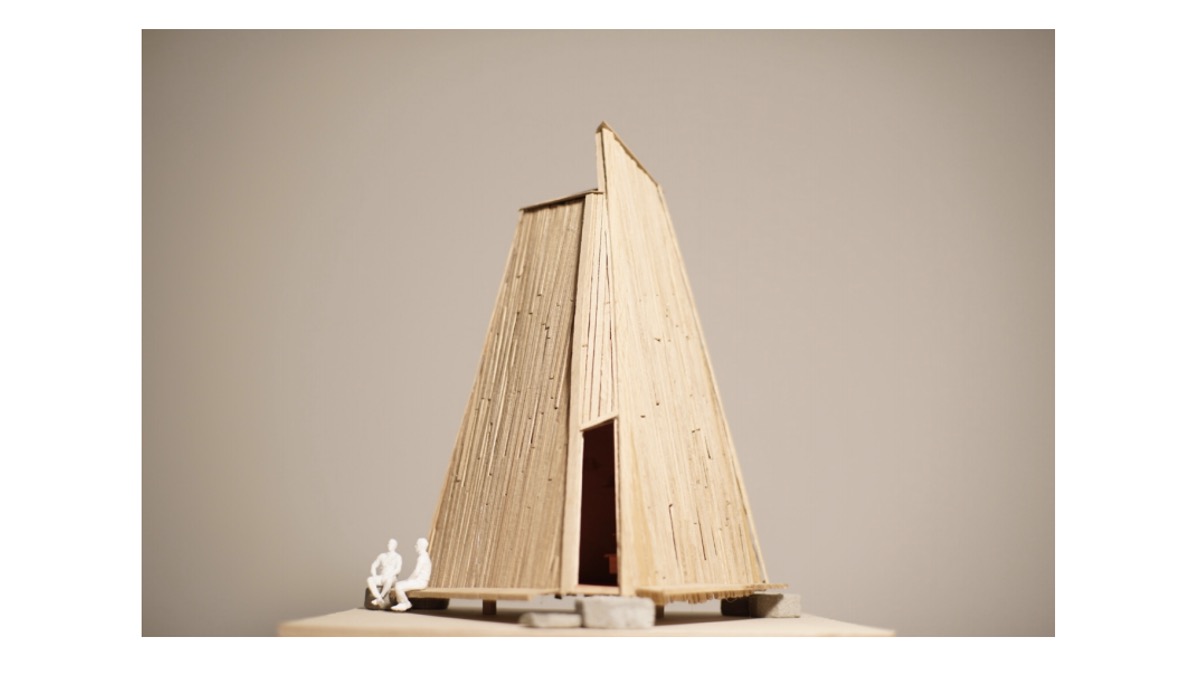
The Bergtatt Library Project aims to create a unique cultural and educational space in
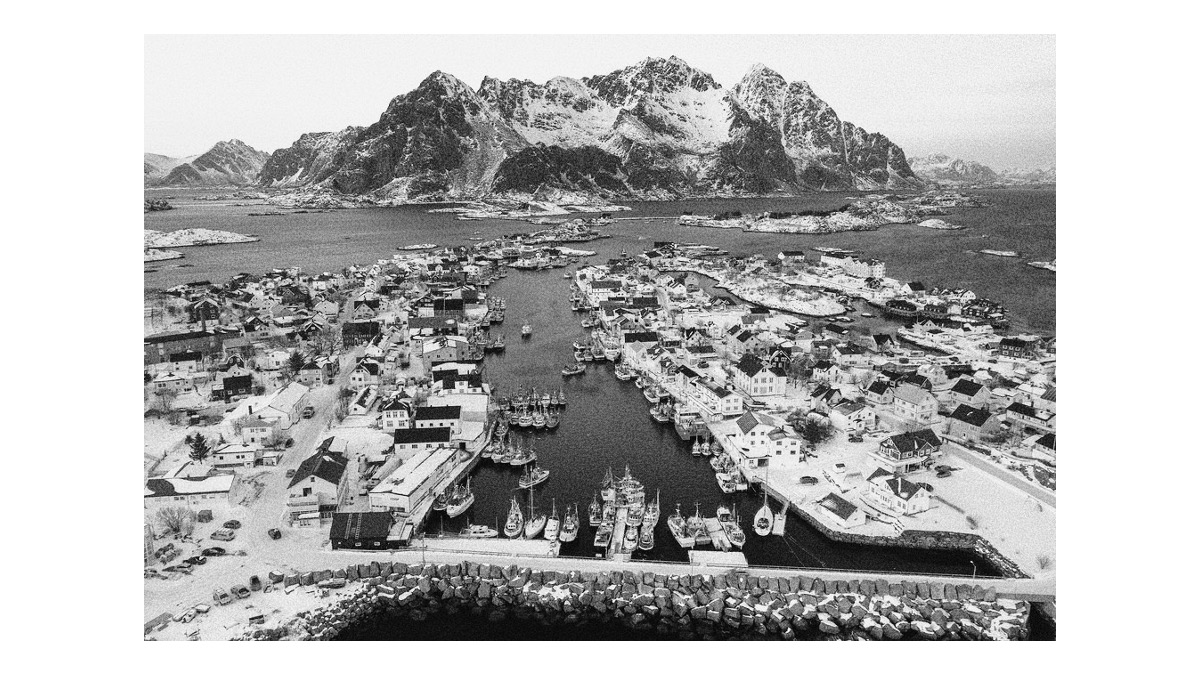
Henningsvær, a fishing village in the Lofoten Archipelago, Northern Norway. It responds to the
community's lack of literary resources by building a library that blends modern architecture
with practical use.
Henningsvær offers stunning mountain landscapes and a thriving culture, attracting residents and
tourists alike. Yet, it lacks literary services. The nearest library is 45 minutes away, making
access to books difficult. The Bergtatt project aims to solve this by designing a library that
reflects the environment and provides a welcoming, accessible space for reading and community
events.
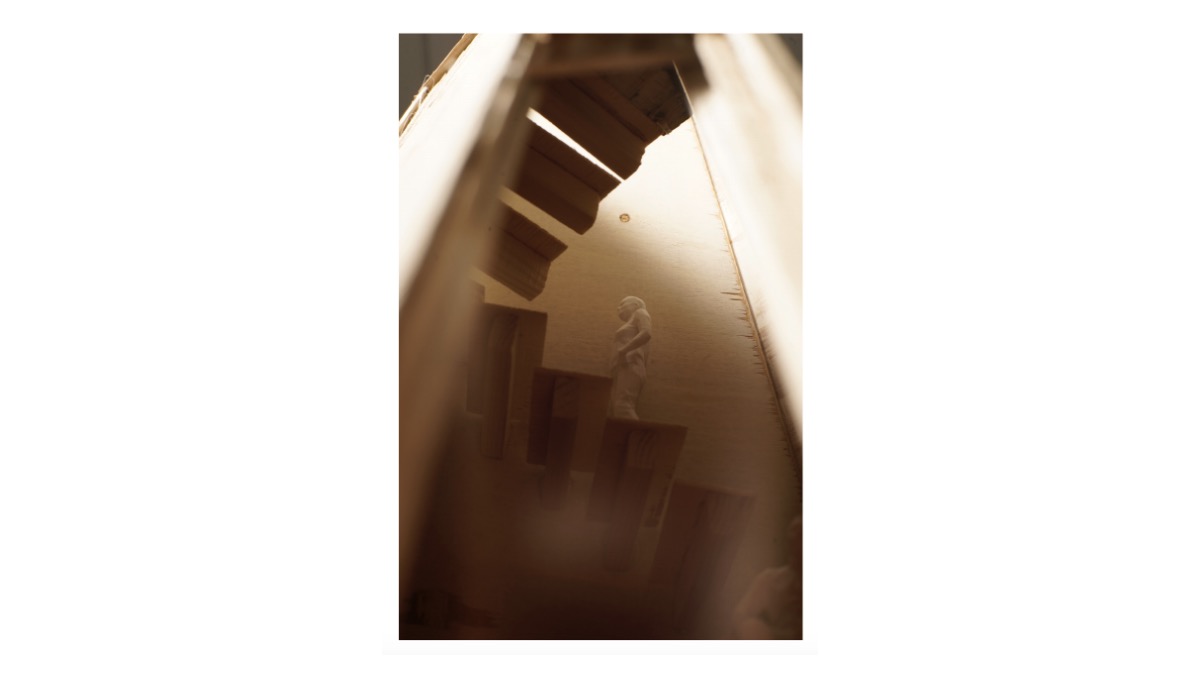
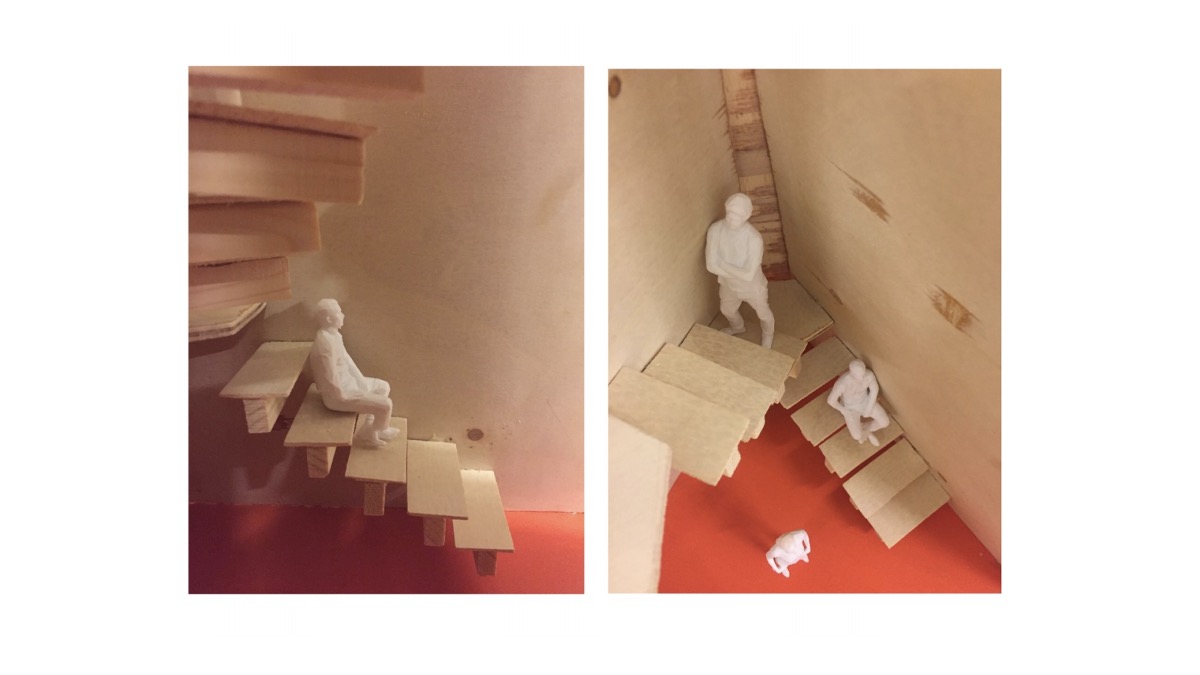
The library’s design, inspired by mountain scenery, aims to captivate and attract visitors. In
Norwegian folklore, "Bergtatt" means "captivated by the mountain" and symbolizes imagination.
The library will welcome everyone and make literary resources available to all, regardless of
background or interests.
Our Objective
We aimed to develop a user-friendly, resource-efficient interface for a self-service library. The
library needed to operate with limited staff and resources while serving both residents and
tourists. Our challenge was to create an intuitive system for a small population in a remote
place.
Design Challenges
The project presented several key challenges:
- Remote Location: Henningsvær is isolated, so we needed to design for
low energy use, easy maintenance, and reliable access.
- Budget Constraints: The library needed to run on a limited budget,
likely with private funding. Our design had to prioritize cost-effective,
low-maintenance solutions.
- User Experience: The interface had to be easy for both tech-savvy
locals and visitors with little digital experience.
Our Approach
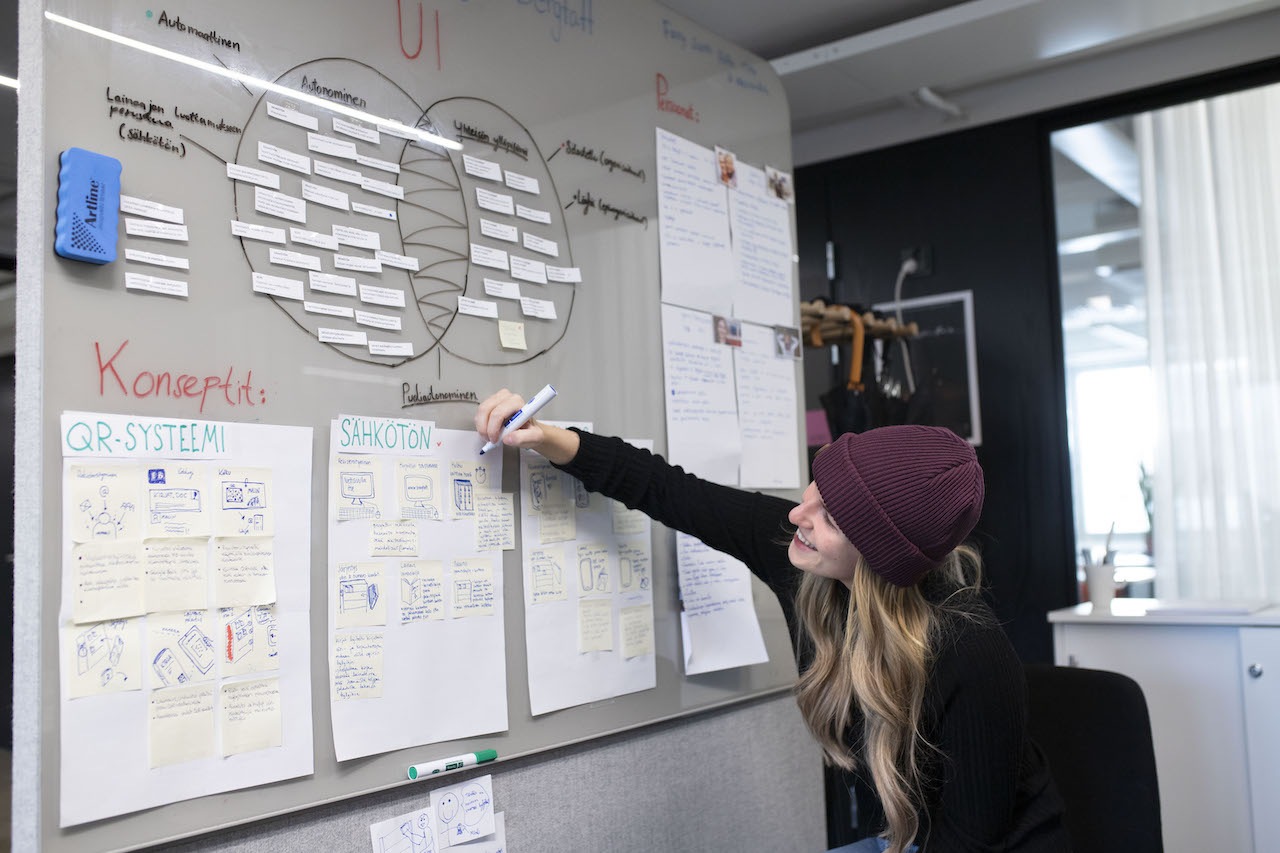
We started by benchmarking several self-service libraries and looking at different borrowing
systems. We interviewed people at Oodi and Suomenlinna libraries and consulted with
professionals, such as library staff and technology vendors.
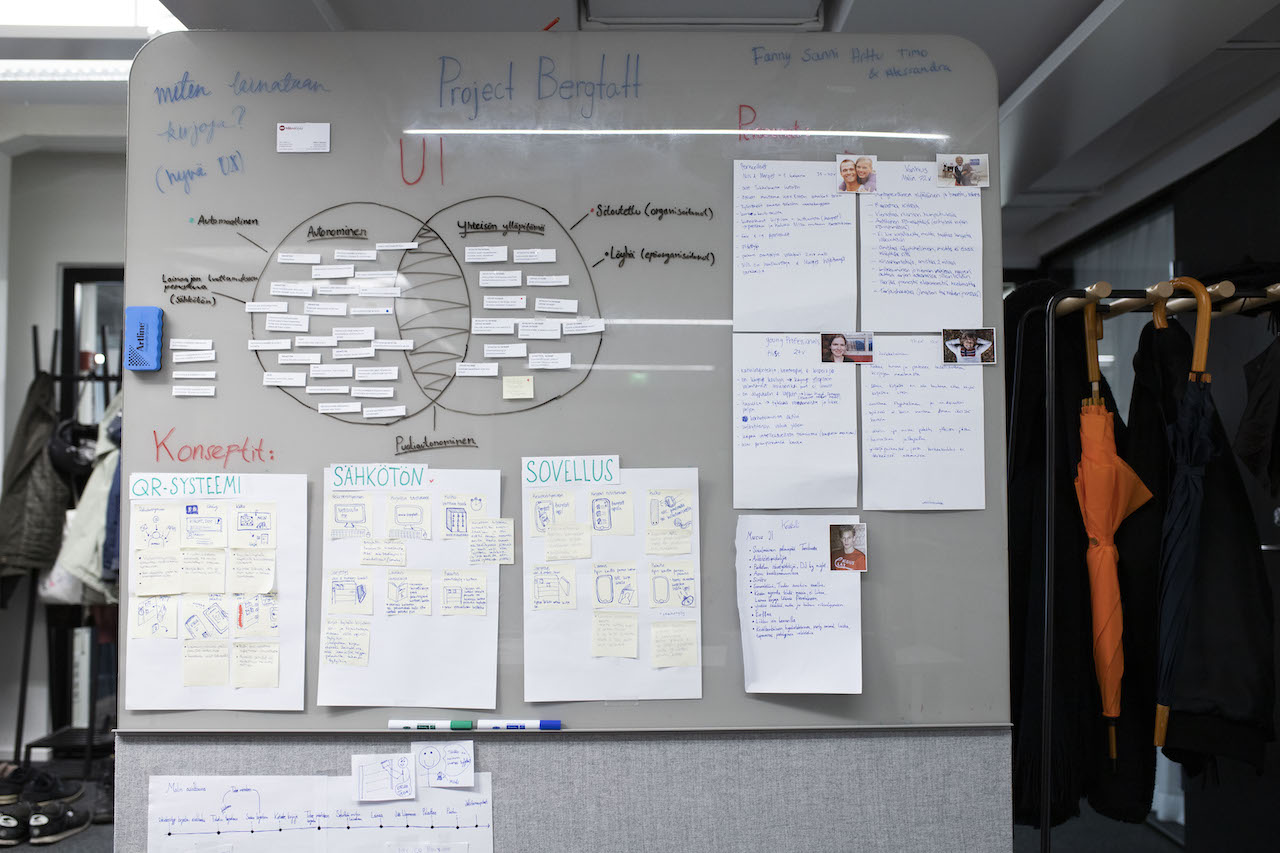
Our process included brainstorming, like using the "100 ideas in a minute" method, which helped
us organize solutions. We created personas based on real Henningsvær residents and mapped
detailed user journeys. This led to two concepts: a non-electronic model and an
interactive electronic model.
Non-Electronic Concept
This model operated without electricity, relying on manual processes to run the library. Key
features included:
- Manual Registration: Users registered via a Google Docs form linked to
the library's website or social media.
- Borrowing System: A logbook was used to track borrowed books, with
users manually recording their names and the books' details.
- Access Control: A secure key box outside the library used a combination
code, sent by email, to let registered users enter the building.
- Self-Maintenance: Users were encouraged to shelve returned books. A
drop-off box was also available.
Interactive Electronic Concept
The electronic model used technology to create a more streamlined and interactive user
experience. Key features included:
- NFC Library Cards: Personalized NFC (Near Field Communication) cards
allow users to access the library and borrow books using an NFC-enabled tablet system.
- Digital Borrowing and Return: The system lets users scan their NFC
cards with book tags to borrow or return items. The interface also helped users browse
the library's catalogue with search and filtering options.
- Automated Logs and Notifications: User actions were recorded in a
central database. Users received automatic emails for receipts and return reminders.
Design Outcome
By the end, we had two viable concepts that fit the project's constraints and goals. The
non-electronic model offered a low-cost, low-maintenance solution. The electronic model provided
a more advanced system and enhanced the user experience. Both could adapt to different budgets
and operational needs.
Reflection
This project highlighted how adaptability matters in UX/UI design, especially for remote,
resource-limited communities. Our design balanced practicality and creativity. We ensured the
library interface met local demands. The experience showed the value of user-centered design and
project flexibility.